Dry Storage in Riyadh: 7 Essentials for Smart Warehousing in 2026
The capital’s supply chains run on more than cold rooms. Efficient Dry Storage in Riyadh keeps grains, packaged foods, textiles, and electronics safe from heat, dust, and humidity, often at a fraction of refrigeration cost. As Riyadh grows into a mega-city under Vision 2030, demand for reliable dry warehousing has never been higher.
This article walks through seven essentials of professional dry storage, compares it with frozen options, and shares field-tested tips. Whether you import consumer goods or distribute construction materials, these fundamentals will help you protect stock and control costs.
Why Dry Storage in Riyadh Is Booming in 2026
Riyadh’s population is climbing fast, and mega-projects are pulling in materials, machinery, and consumer products from around the world. All of it needs a home before distribution. Dry warehousing offers that home without the running costs of a chilled or frozen facility.
The economics are compelling. Because dry storage relies on insulation and ventilation rather than compressors, operating expenses stay low. That makes it the default choice for shelf-stable and non-perishable inventory across the central region.
What Counts as Dry Goods?
Dry goods are items that do not require temperature control but do need protection from moisture, pests, and dust. Think rice, flour, sugar, canned products, paper, packaging, textiles, and many electronics. Keeping humidity low is the single biggest factor in preserving these products.
7 Essentials of Professional Dry Storage
A great dry warehouse is engineered, not improvised. Here are the seven features that separate a reliable facility from a risky one.
- Humidity control: Dehumidifiers hold moisture below the level where mold and caking begin.
- Ventilation: Consistent airflow prevents hot, damp pockets.
- Pest management: Certified programs protect food-grade stock.
- Racking systems: High-density shelving maximizes cubic space.
- Fire safety: Sprinklers, alarms, and rated compartments.
- Security: CCTV, access control, and 24/7 monitoring.
- Inventory tech: Barcode or RFID systems for real-time accuracy.
Miss any one of these and you invite spoilage, shrinkage, or compliance trouble. The best providers document each point and share the data with clients.
How Does Humidity Damage Dry Goods?
Excess moisture is the silent enemy of dry storage. It causes flour to clump, cardboard to weaken, and metal parts to corrode. The U.S. Department of Agriculture highlights moisture control as central to safe long-term food storage, and the same principle protects non-food goods too.
Quality facilities target a stable relative humidity, often below 60%, to keep products in prime condition. In Riyadh’s dry desert air this is achievable, but summer dust and rare humidity spikes still require active management.
Dry vs Frozen: Choosing the Right Space
Some inventories need both. Understanding the trade-offs helps you allocate budget where it matters and avoid paying for cooling you do not need.
| Factor | Dry Storage | Frozen Storage |
|---|---|---|
| Temperature | Room temp, low humidity | -18°C or below |
| Energy cost | Low | Very high |
| Best goods | Grains, packaging, textiles | Meat, seafood, ice cream |
| Shelf life driver | Humidity control | Constant deep cold |
For non-perishables, dry wins on cost every time. For anything that spoils, you need the deep cold of a dedicated freezer room instead.
Combining Both Under One Roof
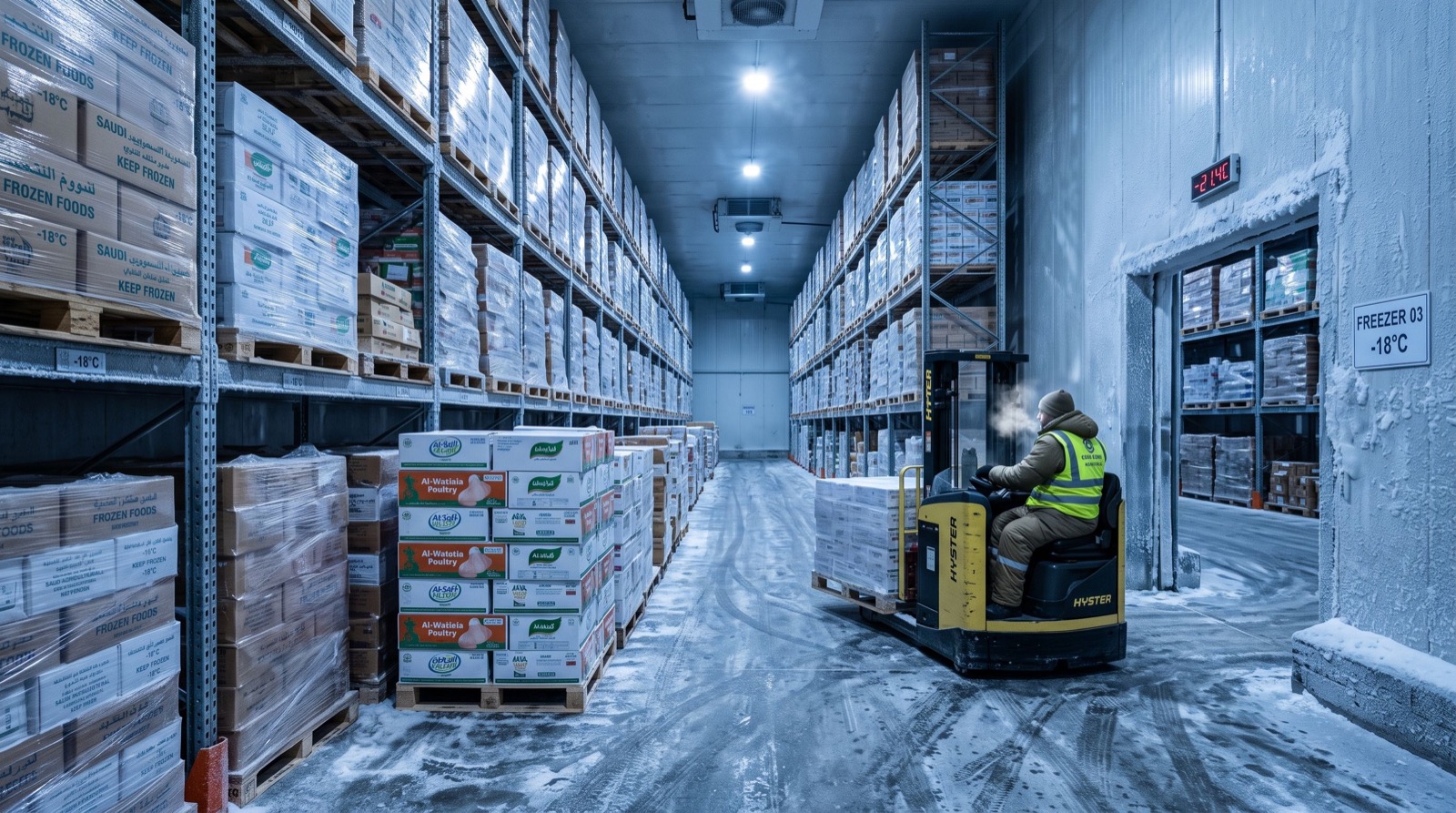
A single distributor may store flour in dry space and frozen meat next door. Providers offering Dry Storage in Riyadh alongside Frozen Storage in Riyadh let you manage both from one contract. That cuts admin, simplifies deliveries, and gives you a single point of accountability.
A Field Tip That Saves Real Money
Here is a practical insight often overlooked: rotate stock using clear zone mapping and a strict first-in, first-out rule, but also schedule a quarterly “deep count” of slow-moving SKUs. Dead stock quietly eats your cubic capacity and your cash. Identifying it early frees space and reveals ordering patterns you can fix.
Pair that with pallet-level barcoding so you always know what sits where. Working with reputable service experts on warehouse layout turns these habits into standard practice rather than occasional cleanups.
How Location and Layout Shape Dry Storage Value
Where your warehouse sits and how it is arranged inside affect cost as much as the racking you install. Riyadh’s spread-out geography means the distance between your storage hub and your delivery routes directly shapes fuel bills and lead times.
Position dry storage close to major arteries and distribution corridors, and last-mile costs fall. A central location also lets you consolidate deliveries, so trucks leave full rather than half-empty.
Smart Internal Layout
- Zone by velocity: Put fast movers near dispatch and slow movers deeper in.
- Wide aisles for forklifts: Prevent damage and speed up picking.
- Clear labeling: Every bay marked so new staff find stock fast.
- Dedicated staging: A packing zone that keeps outbound orders organized.
These choices compound. A well-zoned warehouse can lift picking productivity noticeably, which matters when labor is one of your biggest costs.
Scalability is the final piece. Riyadh’s growth means your volumes may double within a couple of years, so choose a facility that can flex with you. Providers offering modular space let you add capacity without relocating, protecting the workflows your team has already mastered. In 2026, that flexibility is a genuine competitive edge for growing distributors across the central region.
Frequently Asked Questions
What is dry storage used for?
Dry storage holds non-perishable goods that need protection from moisture, pests, and dust rather than temperature control. Common items include grains, flour, canned food, paper, packaging, textiles, and electronics.
What humidity level is best for dry storage?
Most facilities target a stable relative humidity below 60%. This range prevents mold, caking, and corrosion while keeping dry goods in prime condition for long periods.
Is dry storage cheaper than frozen storage?
Yes, significantly. Dry storage relies on insulation and ventilation instead of refrigeration compressors, so energy costs are far lower. Frozen storage is essential only for items that spoil without deep cold.
Can one provider handle dry and frozen goods in Riyadh?
Yes. Multi-temperature operators offer dry and frozen zones under one agreement, letting you store shelf-stable and perishable stock together with unified delivery and reporting.
Conclusion
Reliable Dry Storage in Riyadh is the low-cost backbone of central-region logistics in 2026. By insisting on humidity control, pest management, smart racking, and real-time inventory tech, you protect stock and shrink operating costs. Match non-perishables to dry space, reserve deep cold for what truly needs it, and rotate inventory with discipline. Ready to optimize your warehousing? Contact a trusted storage specialist today and build a plan that keeps every SKU safe and accounted for.