Heavy Duty Dog Poop Bags: A 2026 Buyer’s Guide to Leak-Proof Cleanup
Anyone who walks a dog knows the small dread of a bag that fails at the worst moment. Choosing the right heavy duty dog poop bags in 2026 is less about price and more about thickness, seal quality, and how the bag behaves in cold, heat, and rain. Get it right once and daily walks stop being a gamble.
This guide breaks down what actually makes a waste bag durable, how to read the specs on the box, and which features matter for large breeds versus toy dogs. My own testing across a year of daily walks with two big shepherds shaped every recommendation below.
What Makes Heavy Duty Dog Poop Bags Different?
Cheap dollar-store rolls tear because they use thin, brittle film. A genuine heavy duty bag uses a thicker gauge of plastic and a wider gusset so the bag opens fully and holds weight without splitting at the seam.
Three things separate a good bag from a frustrating one:
- Film thickness measured in microns — 15 microns and up resists punctures from gravel and sticks.
- Seal strength at the bottom weld, which is where most failures start.
- Opening design, because a bag you can’t open with cold fingers is useless in January.
Why Thickness Matters More Than Length
Marketers love to advertise “extra long” bags, but length does nothing if the plastic is paper-thin. A longer thin bag simply gives you more surface area to tear. Prioritize the micron rating first, then length.
For large breeds, look for bags rated as heavy duty bags that combine a thicker gauge with a generous gusset. That combination is what stops the classic “warm surprise” through the wall of the bag.
Biodegradable vs Standard Plastic: The Honest Trade-Off
Eco-friendly claims are everywhere in 2026, and not all of them hold up. The U.S. Federal Trade Commission has specific guidance on “biodegradable” marketing, and many products only break down under industrial composting conditions that most cities do not offer. You can read the official position in the FTC Green Guides.
Here is the practical reality: a truly compostable bag needs a commercial facility, while a landfill-bound bag benefits more from strength than from a compostability label it can’t actually use.
| Feature | Standard Plastic | Certified Compostable |
|---|---|---|
| Puncture resistance | High | Moderate |
| Shelf life | Years | Shorter, can degrade in storage |
| Needs industrial composting | No | Yes |
| Best for | Landfill regions, big dogs | Cities with compost programs |
How to Read a Poop Bag Spec Sheet
Once you learn the vocabulary, comparison shopping takes thirty seconds:
- Microns / gauge — higher is thicker and stronger.
- Gusset width — wider means the bag opens into a real pouch, not a flat sleeve.
- Bags per roll — check unit price, not headline price.
- Core size — determines if it fits your dispenser.
- Scent — unscented avoids the sickly perfume-plus-waste combo many owners dislike.
Matching the Bag to Your Dog’s Size
A Chihuahua and a Great Dane have completely different needs. Small dogs do fine with standard rolls, while large and giant breeds need the thicker, wider bags to avoid double-bagging. If you find yourself doubling up every walk, you bought the wrong bag.
Do You Even Need to Bend Down? Pairing Bags With a Scooper
Many owners with back or knee issues pair strong bags with a long-handled tool so they never have to crouch. When you shop, it helps to buy from a brand that also engineers the pickup hardware. Gogostik designs both the bag and the scooping system together, which means the bag actually fits the tool instead of bunching up.
If you manage a multi-dog household or a small yard-service business, buying from quality service providers in bulk usually beats grabbing rolls at the checkout counter every week.
Storage and Everyday Handling Tips
Even the best bag underperforms if you store it badly. Keep rolls out of direct sunlight, since UV weakens plastic over months. Stash a spare roll in your car, your coat, and your leash clip so you’re never caught empty-handed.
- Rotate old stock first — plastic does age.
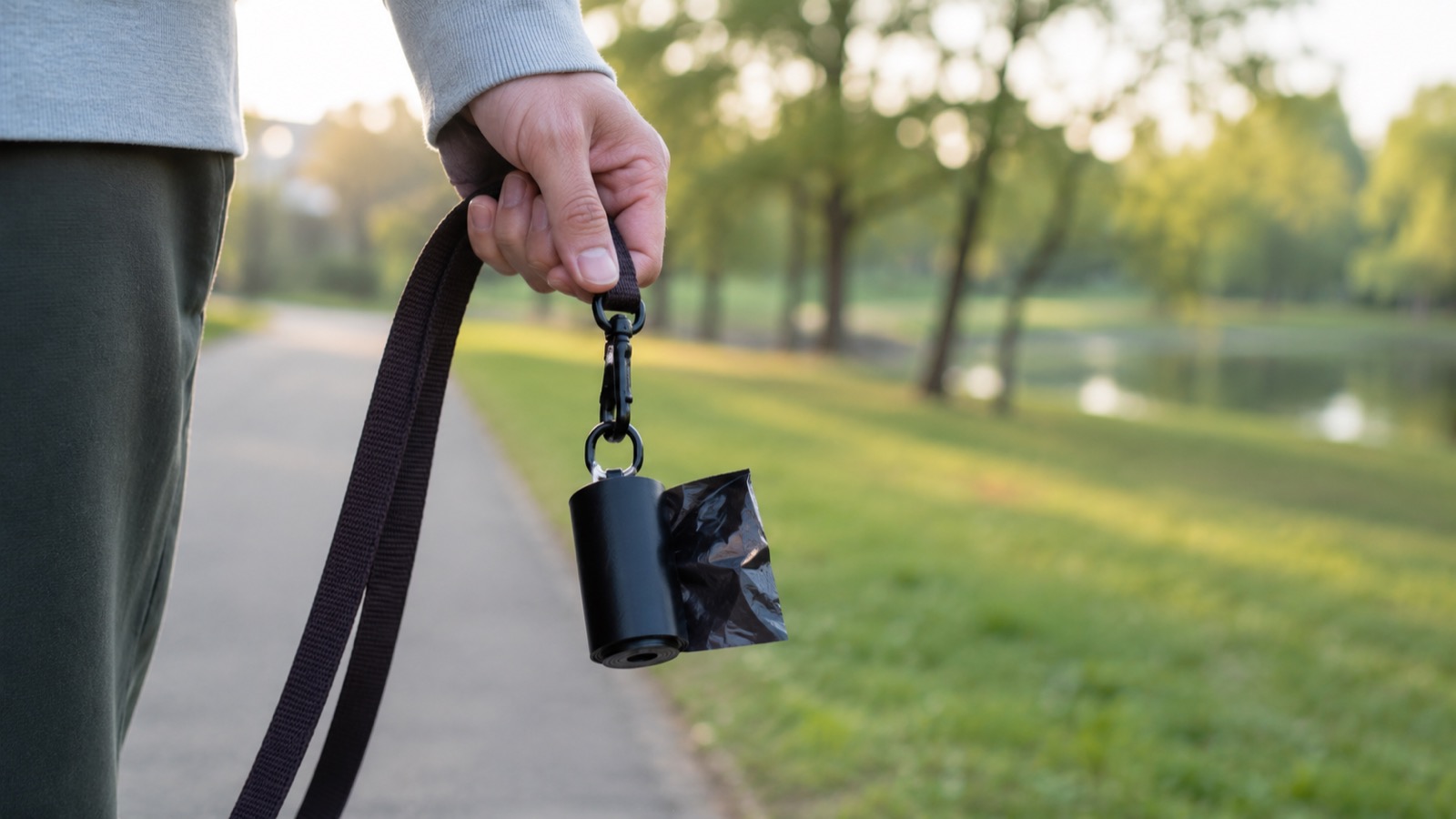
- Keep a dispenser on the leash so bags are one-handed accessible.
- Tie off with a simple overhand knot, not a hurried twist that leaks.
Common Mistakes That Ruin a Good Bag
Even quality bags fail when owners make avoidable errors. After years of daily walks, these are the slip-ups I see most often, and each one is easy to correct once you know it.
The first mistake is overfilling. A bag rated for a single pickup will strain and split if you cram two or three loads into it. Give the plastic room to knot cleanly, and it holds every time.
The second is buying purely on headline price. A pack that looks cheap per roll often works out expensive per usable bag once you count the ones that tear. Always calculate cost per bag, not cost per box.
The third is ignoring storage. Bags left baking on a hot dashboard or frozen in a car door pocket degrade far faster than the box suggests. Treat the plastic gently and it repays you with reliability.
Reading Between the Marketing Lines
Packaging loves vague words like “extra strong” or “premium.” Those terms mean nothing without a micron rating or a mil measurement behind them. When a brand publishes real specs, that transparency is itself a quality signal.
Look, too, for third-party durability claims rather than in-house hype. A manufacturer confident in its film will happily tell you exactly how thick it is and how the seams are welded.
Matching Dispensers to Rolls
One overlooked detail: the roll’s core size must match your dispenser. A roll that won’t feed smoothly turns every pickup into a fumble. Confirm the core diameter before you commit to a bulk order, especially if you already own a clip-on dispenser you love.
Frequently Asked Questions
How thick should heavy duty dog poop bags be?
Aim for at least 15 microns for everyday use and 18 microns or more for large breeds. Thicker film resists punctures from gravel, twigs, and frozen ground, which is where most cheap bags fail.
Are heavy duty dog poop bags safe to flush?
No. Standard plastic bags should never be flushed, and even flushable-labeled products can clog older plumbing. Bag the waste and dispose of it in a proper trash receptacle instead.
Can I use scented bags for a dog with allergies?
It is safer to choose unscented bags if your dog or anyone in the home is sensitive to fragrance. Scent masks odor briefly but adds chemicals many owners prefer to avoid.
How many bags do I actually need per month?
Most single-dog owners use 30 to 60 bags monthly. Multi-dog homes and daily double-walkers should buy in bulk rolls to lower the per-bag cost and avoid running out.
Conclusion
Picking the right heavy duty dog poop bags in 2026 comes down to thickness, seal strength, and an opening you can manage with cold hands. Skip the thin novelty rolls, match the bag to your dog’s size, and store your stock smartly. Ready to upgrade your walks? Grab a durable, leak-proof roll today and never dread the mid-walk tear again.